
Mower Maintenance: Tips of the Trade
Reprinted with permission from Briggs & Stratton and Colorado State Extension. Visit www.ext.colostate.edu
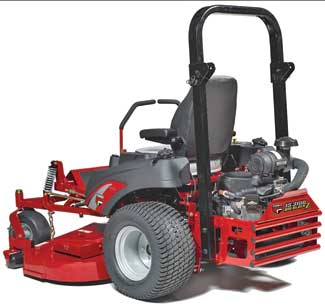
IS 3100Z Mower Manufactured by Ferris Industries w/ Briggs & Stratton Engine
With proper maintenance and repair, your mower can last a lifetime, with proper maintenance and repair. No, that wasn?EUR??,,????'?????<
Engine
Check the oil regularly. Add oil as needed. Change oil after first 5 hours of use, then after every 50 hours or at the beginning of the season. Change air filters at least every 3 months or 25 hours of use. Always use factory air filters to assure optimum performance and maximum protection for your engine.
Keep spark plugs clean; and have an expert adjust the carburetor. Always keep the blades professionally sharpened. Do not leave the blades engaged on riding mowers or tractors while the mower is stopped. This stretches the belt and decreases the belt life. Be sure to regularly sharpen rotary mower blades, which operate on the principle of a sickle. It?EUR??,,????'?????<
Inspection and Cleaning
When accessing the underside of the mower for inspection or cleaning, always turn it so that the air-filter side of the mower is up. Otherwise, oil will drain out into the air filter and the engine won?EUR??,,????'?????<
Shredded or brown tips of grass blades is an indication of a dull or damaged mower blade. You can sharpen rotary mower blades with a grinding wheel and file, but be careful not to destroy the balance. To determine which end of the mower blade is out of balance, put a nail in the wall and hang the blade from the hole in the center of the blade. File more off the blade on the heavy end. Excess vibration is an indication of a damaged blade, mounting, or crankshaft. Frequently tighten the blade and engine mounting bolts, as well as any other nuts, bolts and screws. Check mower wheels, bearings and axles for wear and lubrication. If there are grease fittings, check them every couple of months. Replace loose, wobbly wheels. Be sure to keep the drive mechanism on self-propelled mowers in good working order. Check belts and gears for wear and fit. After each use, clean the underside of the mower with a strong stream of water. The metal deck can rust out if residue builds up. To reduce fire hazard, keep the engine free of grass, leaves and excessive grease. Check the grass-catcher bag for wear or deterioration, and replace when necessary. At the end of the mowing season, be sure to drain the gas and follow the winterizing instructions in your owner?EUR??,,????'?????< With the spark plug lead removed from the engine, use a garden hose to wash away any residual grass clippings. Once the majority of the grass clippings have been removed, it will be easier to identify a clump of grass that may be interfering with blade motion. Using a wooden stick or other implement other than your hands and feet, remove the offending material and wash the deck thoroughly. Reprinted with permission from Briggs & Stratton and Colorado State Extension. Visit https://www.ext.colostate.eduCleaning a Clogged Deck
>OTHER TIPS:
Mower info:
Source: Outdoor Power Equipment Institute, Inc.


