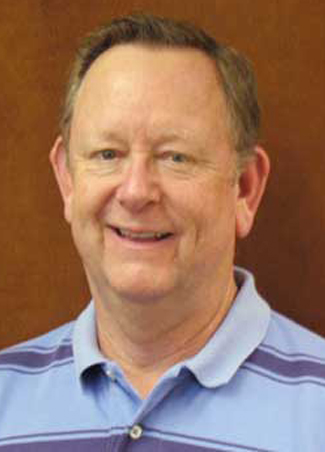
Mike Henry, Professor
Course (1) Title: Abiotic Tree Woody Plant Diseases (PAPA)
October 7th - 11:30 am
Course (2) Title: Turfgrass Weeds and their Control (PAPA)
October 7th - 1:30 pm
Biography:
Mike Henry, a professor at the University of California Cooperative Extension at Davis is an expert on turf grass and abiotic disorders of plants. Abiotic disorders are those which are non-biological problems such as sunburn, smog, toxic chemicals, nutrient deficiencies, hail or lightning. He has been speaking at the SCTC for 30 years and will be giving sessions on both days covering both of his areas of expertise.
Master of Science Degree in Horticulture from the Environmental Horticulture Department, University of California at Davis, 1973. Bachelor of Arts Degree in Biology, Humboldt State University, Arcata, CA, 1970. Certificate in Landscape Architecture, UC Irvine 1982; Certified Arborist, #WC-2339
International Turfgrass Society; American Society of Agronomy; Southern California Turfgrass Council, Southern California Golf Course Superintendents' Association
Course (1) Title: Abiotic Disorders - Woody Plant Diseases (PAPA)
Course Description:
Problems in the landscape are commonly thought to be mostly caused by insects, diseases or other animals. I estimate that about 75% of problems are actually caused by abiotic or non-biological factors including: weather, chemical or physical issues. Some unusual growths on plants are actually not even a problem but be taken for one and be the reason for applying pesticides needlessly. This course shows the main abiotic issues found in California landscapes and helps students differentiate between biotic and abiotic causes, thus making them aware of problems that do not need or respond to pesticide applications.
Goals:
- Show the difference between abiotic and biotic plant disorders in woody plants.
- Show the common abiotic problems: their causes and symptoms. Provide remedies.
- Make you familiar with the reference book and it?EUR??,,????'???s tables and information to diagnose and avoid abiotic problems in woody plants.
Course (2) Title: Turfgrass Weeds and their Control (PAPA)
Course Description: Turfgrass weeds are a main reason for applying pesticides in commercial / institutional and residential lawns in California. This talk shows the main turfgrass weed issues found in California landscapes and helps students apply turf management practices (mowing, fertilization, irrigation) to reduce weeds. Instruction will make them aware of problems that do not need herbicide applications. Emphasis on proper selection of herbicides when needed, will focus on the U.C. Pest Management web sites, including the IPM web site found on the UC Davis IPM website.
Goals:
Present common turfgrass weeds and their control using Integrated Pest Management approaches. Examples are Poa annua, Annual Bluegrass; Crabgrass; Sedges (Yellow and Purple Nutsedge, Green Kylinga); Broadleaf and grassy annuals and perennials. Show the common turf maintenance practices and how they affect weed invasion; highlight recent research on turf fertilizer products containing herbicides and their effect on broad-leaf weeds. Provide other remedies.Schedule subject to change


